
The Quantum Psychology Method
For therapists ready to work beyond talk therapy.
A clear structure for working with the unconscious, the body and the space between you and your client, and within six months you're running your own Quantum Psychology Method intensives.
A 6 month group process to dive into the unconscious landscape of the psyche, learn consciousness expansive practices & grow your own consciousness as the instrument of healing.
Depth Psychology Skills
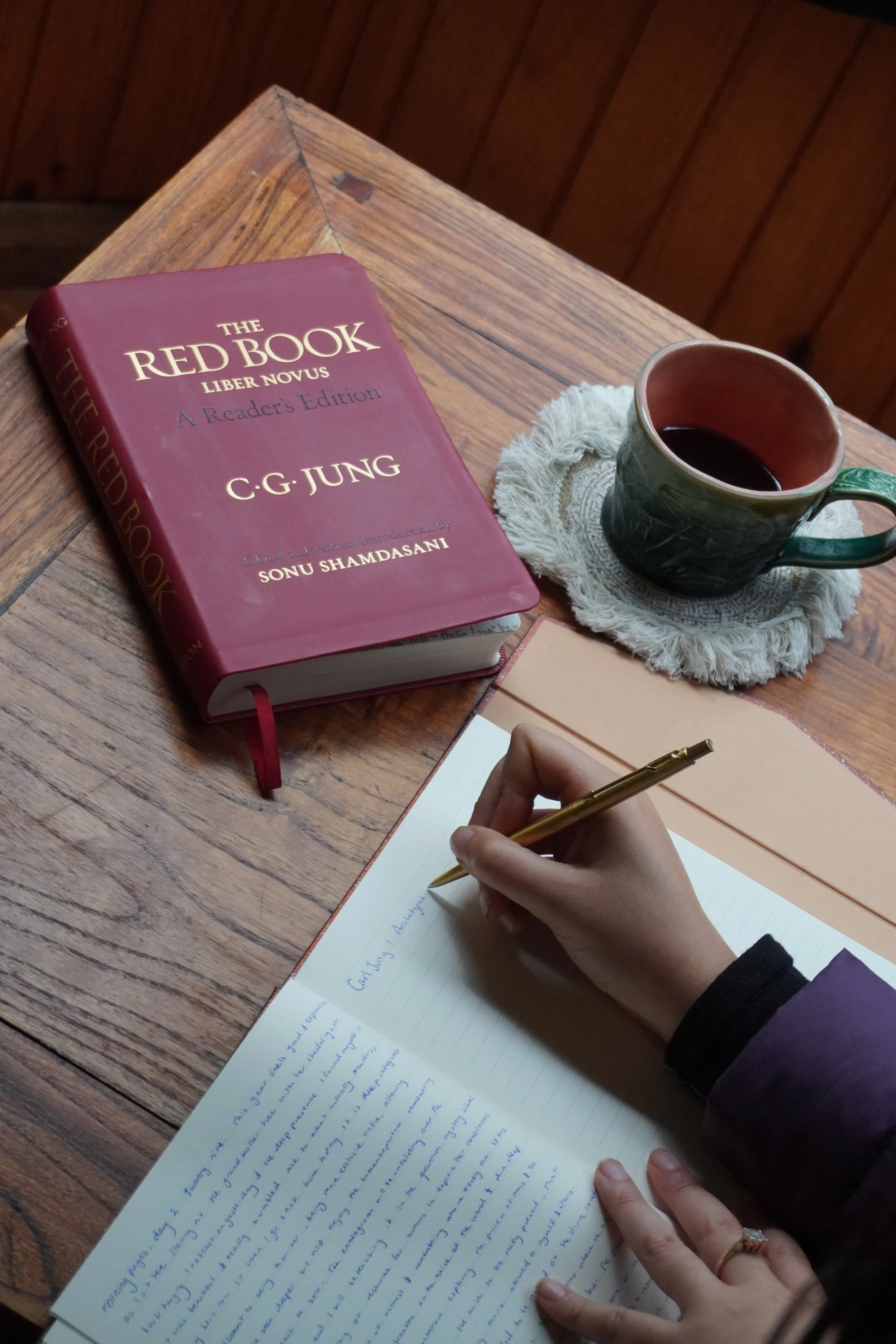
Work with what sits beneath awareness
Depth psychology is the branch of psychology that studies the unconscious: the hidden part of the mind that shapes behaviour, relationships and symptoms before a client ever notices them. It runs from Freud and Jung through to modern somatic and relational work.
Most therapy trainings mention it in a lecture or two. In the Certificate, you learn it as a set of working clinical skills, practised on yourself first and then applied with clients.

Expand Your Consciousness
Your consciousness becomes the instrument of healing.
Why you need it: Every therapy works on the client’s mind. Almost none teach you to work with consciousness itself: the state you bring into the room, the field between you and the client, and the level of awareness a client is operating from. That level decides whether change sticks.
Once you meet yourself at this level of depth the identity behind the therapist radically shifts and this is where you step into real power & authority.
Inside The Certificate
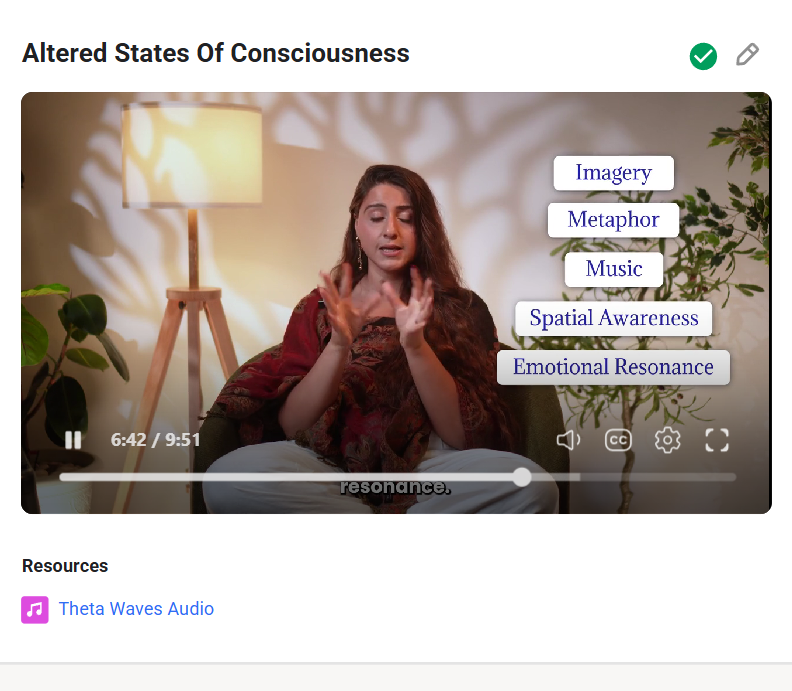
A library of resources
You’ll learn through live, experiential ninety-minute classes on Zoom whilst also being supported by a private learning portal holding every video lesson, class recording, clinical script, audio practice, worksheet and teaching deck, with year long access.
You’ll finish with a two-part written assessment, then graduate with your IPHM-accredited Quantum Psychology Practitioner Certificate, the title Field Practitioner, and every script and client handout licensed for use in your own practice.

In three years, there will be two kinds of therapists.
Those still offering what AI can do for free. Reflecting, reframing, explaining feeling withdrawn while they watch clients leave sessions understood and unchanged.
And those who can hold the field. Who work at the level where patterns actually let go. Whose presence is the reason clients change. Who is known for going deeper than talk therapy.
You already know which one you were meant to be.
Small cohort. Accredited. By application.


The Depth Behind The QPM Certificate
Module 1 · Regulation and the Practitioner’s Instrument
The foundation everything else rests on. A practitioner who can’t hold her own nervous system shouldn’t work at depth in someone else’s.
You learn:
How to track your own somatic responses as clinical data
Co-regulation: how to steady a client’s nervous system through your presence
The Quantum Trio of mind, body and field, and how to work across all three
You walk away able to: stay regulated inside a client’s intense or unstructured material, and use your own body as an accurate reading instrument.
Module 2 · Reading the Client
A structured way to assess what’s actually driving a presentation, beneath what the client says.
You learn:
The Three Selves (Survival, Witness and Quantum) and how to tell which one is in the room
A four-step client read: level of consciousness, Enneagram type, wound origin (mother or father), and how the client defends through their complexes
The Four Trauma Loops (Saviour, Safety, Identity and Predictive) and how to spot them within the first sessions
You walk away able to: build a clear working formulation fast, and know where to go next instead of following the client’s story wherever it leads.
Module 3 · Working at the Unconscious Level
The core of the method. Tools to reach the material that talk therapy circles around.
You learn:
The Marketplace: working with the unconscious as a living field
The Backroom visualisation protocol, step by step
Shadow work for therapists: meeting the disowned parts that drive reactions
Active, passive and neutral positions, and when to use each
The body as the bridge: accessing unconscious material through somatic cues
You walk away able to: guide a client below the thinking mind safely, work with what surfaces, and bring them back regulated.
Module 4 · Jungian Psychology Tools
Depth psychology made practical, clinical and teachable.
You learn:
Archetypes and how to recognise which ones are running a client’s life
Complexes, persona and shadow, and how they show up in session
The hero’s journey as a map for the client’s process
How to use symbol and archetype to reach material that language can’t
You walk away able to: use Jungian frameworks as working tools in session, beyond theory.
Module 5 · The Story Layer
How to change the story at the level where it was written.
You learn:
Narrative therapy techniques for externalising and re-authoring
Memory reconsolidation: the conditions under which old emotional learning actually updates
The New Author: guiding a client from survivor of their story to writer of the next one
Narrative writing practices for releasing an old identity
You walk away able to: help clients move from understanding their story to living a different one.
Module 6 · Consciousness-Expansive Practices
The work that sets Field Practitioners apart, held with clinical rigour.
You learn:
Working clinically with levels of consciousness, using Hawkins’ Map of Consciousness
The three layers of the psyche (conscious, subconscious, unconscious) and how to work with each
The Mandala: guiding clients from deconstruction into creation
The Sufi perspective on love as a therapeutic force
Grof-informed integration of non-ordinary and expanded experiences
You walk away able to: offer clients expansive, meaningful work that stays grounded, safe and clinically sound.
Module 7 · Taking Clients Deeper and Designing Intensives
How to structure depth work beyond the fifty-minute hour.
You learn:
When a client is ready to go deeper, and when they aren’t
How to structure a two to three hour intensive from opening to integration
Session architecture: pacing, safety, containment and closure
Screening, contraindications and aftercare
How to price, position and describe intensives to clients
You walk away able to: design and confidently offer your own intensives, with a framework you can reuse.
Module 8 · Beyond the One-to-One Model
Permission, and the practical steps behind it.
You learn:
The ways a depth practice can expand: intensives, groups, workshops, retreats, programs and mentoring
How to translate your clinical work into offers people understand
Working through your own fear of being seen, at the unconscious level where it lives
How to become visible while keeping your clinical integrity intact